Table of Contents
When Chris Moneymaker walked onto the WSOP Main Event stage in 2003, he turned a modest online satellite into a world-changing moment. The victory sparked a poker boom that still reverberates today. Yet the world of sponsorship has evolved far beyond the simple patch on a shirt — and Moneymaker is uniquely positioned to explain every phase of that transformation.
Opening
Moneymaker's 2003 title was a turning point not just for poker, but for how brands engaged with the game. In the years since, he has gone from logo carrier to full-time ambassador, content creator, and commentator. His career arc mirrors the industry's own shift from passive endorsement to active storytelling.
From Patch to Promotion
In the early days of televised poker, sponsorship was a quiet affair. Companies paid players a few thousand dollars to display a logo on their shirts or to sit at a branded table. The relationship was largely transactional, with little expectation beyond the final table. Moneymaker recalls that the patch era felt like "just a piece of cloth" — the money was a bonus, not a responsibility. Sponsors got exposure; players got a check. No content required.
- •One-time logo placement
- •Passive table presence
- •No digital obligations
- •$1K–$5K per tournament
- •Year-round content output
- •Live streams & vlogs
- •Fan engagement on social
- •Full integrated campaigns
Rise of the Content Creator
As the internet grew, so did demand for behind-the-scenes insight. Sponsors began to require more than a patch — they wanted players to share stories, stream live, and build personal brands. Moneymaker notes that the shift required a new skill set: interviewing, vlogging, and interacting with fans on YouTube and Twitch. The modern ambassador must be a storyteller, not just a competitor. Sponsors now evaluate engagement metrics alongside tournament results when deciding whom to back.
Moneymaker's Take on the New Paradigm
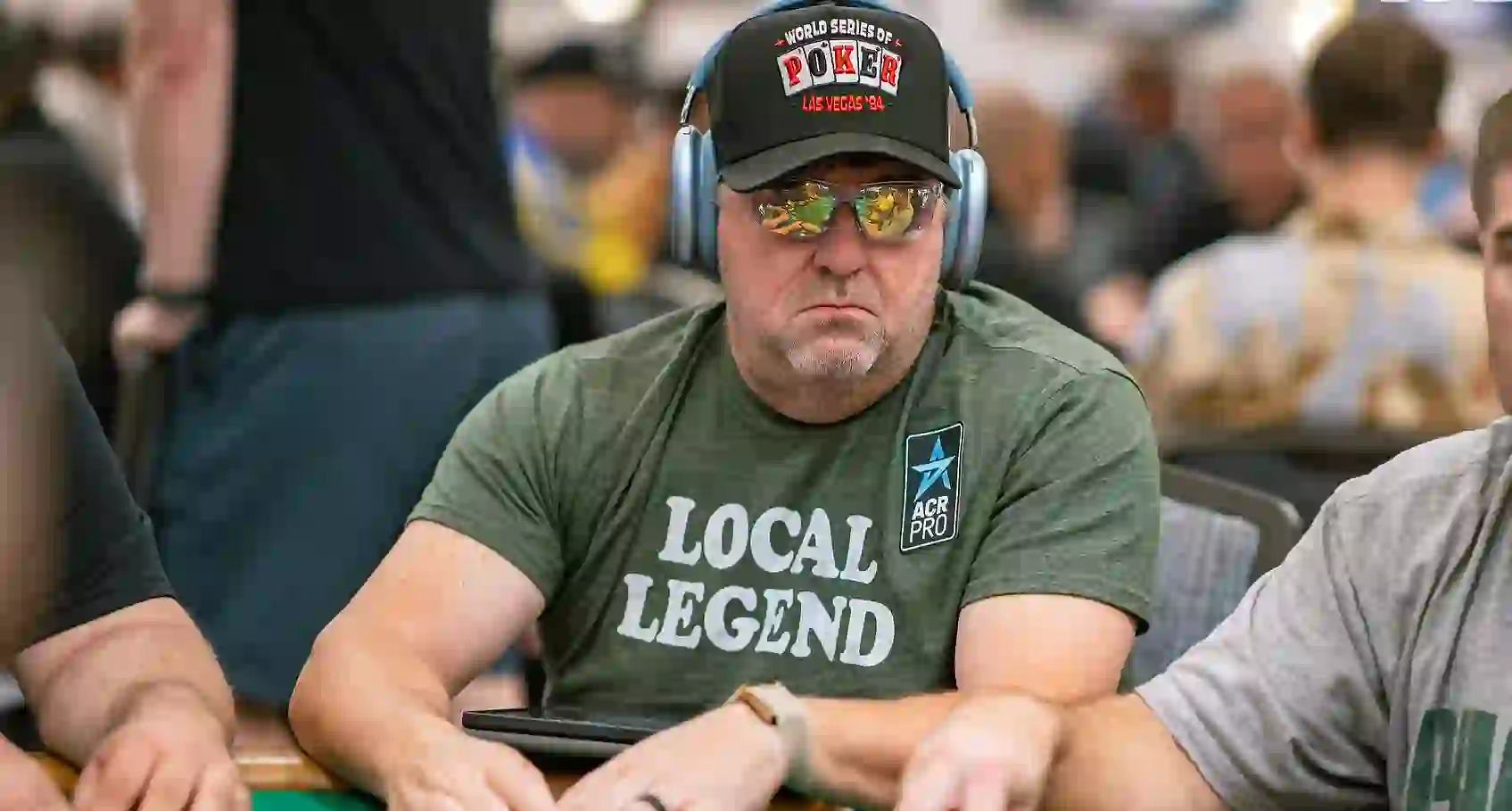
When asked about the change, Moneymaker describes the transition as "wild" but ultimately rewarding. His role now includes regular interviews, social media updates, and live streams during tournament breaks. He views the extra work as a chance to stay relevant and connect with a global audience. "Being able to do YouTube or get on Twitch and play is a vital tool to keep with the times," he says — highlighting that adaptability now matters as much as poker skill when it comes to sponsorship value.
How Sponsorship Shapes the Main Event
Today's Main Event is a multimedia spectacle. Sponsors influence everything from the design of the final-table chairs to live-stream commentary. Branded content creators add narrative depth that keeps viewers engaged far beyond the blinds. The free YouTube broadcast of the 2026 WSOP expanded the audience significantly and gave sponsors a platform far broader than any TV deal could. The result is a more immersive experience for both players and fans — and deeper data for sponsors tracking their return on investment.
- •One-time logo placement
- •Passive table presence
- •No digital obligations
- •$1K–$5K per tournament
- •Year-round content output
- •Live streams & vlogs
- •Fan engagement on social
- •Full integrated campaigns
Looking Ahead: ACR, Venom, and Beyond
With the WSOP's broadcast model still evolving, Moneymaker is directing attention to ACR Poker's upcoming Venom series. He describes the new tournaments as "exciting" and notes that sponsors are already planning integrated marketing campaigns around them. The trend toward interactive, content-rich events suggests that future Main Events will continue to blur the line between competition and entertainment — offering sponsors deeper engagement opportunities than ever before. For a parallel look at how prize money actually reaches players, see our breakdown of WSOP 2026 after-tax payouts.
Closing
Chris Moneymaker's journey from 2003 satellite winner to modern poker ambassador illustrates the sport's rapid transformation. Sponsorship has moved from a simple patch to a dynamic partnership demanding storytelling, streaming, and constant interaction. As the Main Event embraces new media and sponsorship models, ambassadors like Moneymaker will remain at the forefront — shaping the future of poker for the next generation.
Summary
Poker sponsorship has shifted from logo patches to year-round content creation. The modern ambassador must be a storyteller, streamer, and fan engager — not just a competitor. Moneymaker sees the Venom series and YouTube broadcasts as proof that the game's media future is interactive, and that sponsors willing to invest in content will enjoy the broadest reach.