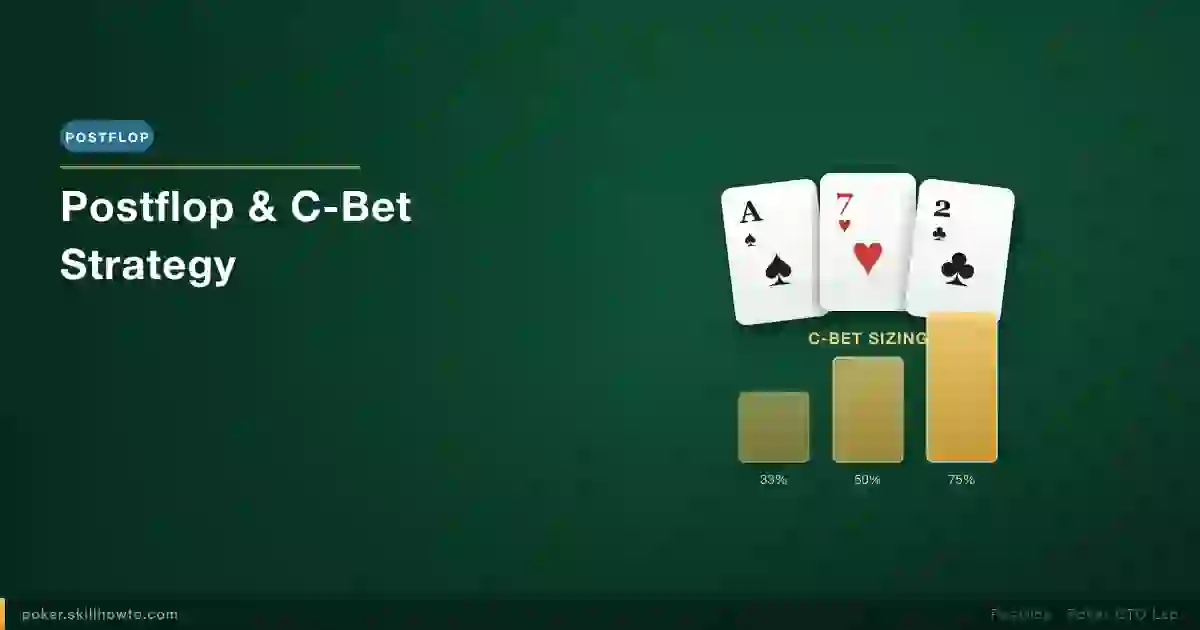
Postflop & C-Bet Strategy
Flop-and-beyond strategy — continuation betting by board texture, bet sizing, and range construction.
C-Bet Strategy in Single-Raised Pots: Board Types, Sizing, and Frequency
Categorise the flop into high-, medium-, or low-frequency boards, match the right bet size to each, and adjust for position — a clear, GTO-grounded framework for consistent c-bet profitability in single-raised pots.
C-Bet Strategy in Single-Raised Pots: Board Types, Sizing, and Frequency
Categorise the flop into high-, medium-, or low-frequency boards, match the right bet size to each, and adjust for position — a clear, GTO-grounded framework for consistent c-bet profitability in single-raised pots.

Continuation Bet (CBet) Strategy: Win Pots on Dry Flops Without a Strong Hand
Learn how the continuation bet lets you win pots without premium hands—using pre-flop initiative, dry-flop targeting, and disciplined 33–50% sizing to outplay passive opponents over time.
Continuation Bet (CBet) Strategy: Win Pots on Dry Flops Without a Strong Hand
Learn how the continuation bet lets you win pots without premium hands—using pre-flop initiative, dry-flop targeting, and disciplined 33–50% sizing to outplay passive opponents over time.
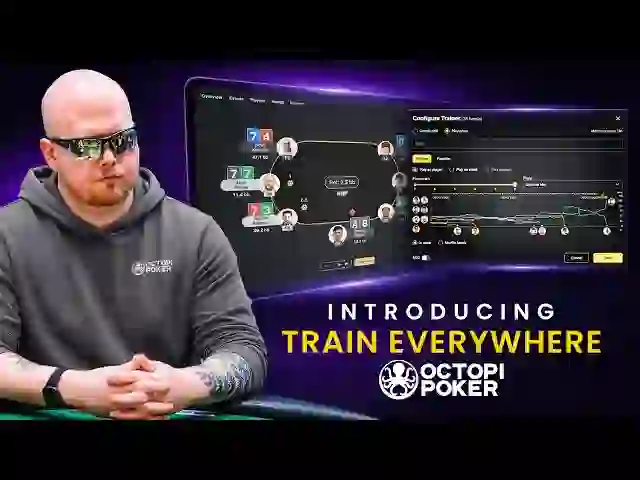
Octopi Poker Train Everywhere: Drill Any WSOP 2026 Final Table Scenario
Octopi Poker's Train Everywhere lets you drill any WSOP 2026 tournament hand — choose your player, stack size, and street, then compare your decisions to real GTO-optimal play in real time.
Octopi Poker Train Everywhere: Drill Any WSOP 2026 Final Table Scenario
Octopi Poker's Train Everywhere lets you drill any WSOP 2026 tournament hand — choose your player, stack size, and street, then compare your decisions to real GTO-optimal play in real time.
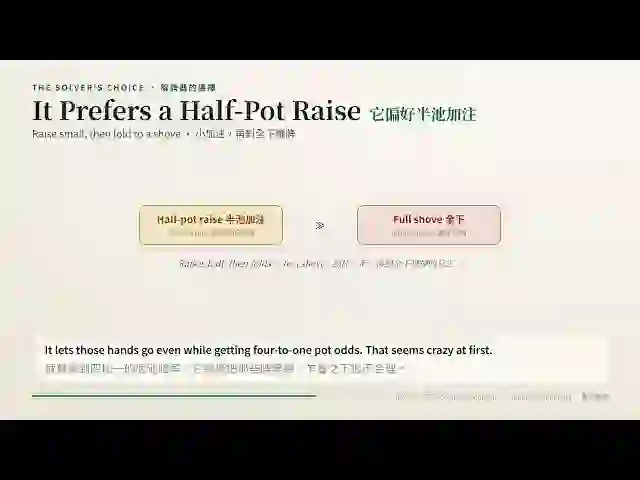
Half-Pot Raise vs Shove on the Turn: Why GTO Solvers Prefer the Smaller Bet
GTO solvers favor a half-pot raise over an all-in shove in many tournament spots—even with pocket nines on a disconnected board. Discover why the smaller bet reshapes opponent ranges, drops donk-bet frequency from 50% to 12%, and yields higher expected value.
Half-Pot Raise vs Shove on the Turn: Why GTO Solvers Prefer the Smaller Bet
GTO solvers favor a half-pot raise over an all-in shove in many tournament spots—even with pocket nines on a disconnected board. Discover why the smaller bet reshapes opponent ranges, drops donk-bet frequency from 50% to 12%, and yields higher expected value.
C-Bet Strategy by Board Texture: Frequency and Sizing Guide
Learn when to continuation-bet and how large to size it based on board texture. Dry, wet, paired, and monotone boards each demand a different GTO approach to frequency and sizing.
C-Bet Strategy by Board Texture: Frequency and Sizing Guide
Learn when to continuation-bet and how large to size it based on board texture. Dry, wet, paired, and monotone boards each demand a different GTO approach to frequency and sizing.
Poker Bankroll Management: Surviving Variance and Downswings
How a seasoned pro survives downswings and platform restrictions with a 500-box bankroll cushion, USDT interest, and disciplined withdrawals. A practical guide to bankroll management, variance, and poker psychology.
Poker Bankroll Management: Surviving Variance and Downswings
How a seasoned pro survives downswings and platform restrictions with a 500-box bankroll cushion, USDT interest, and disciplined withdrawals. A practical guide to bankroll management, variance, and poker psychology.
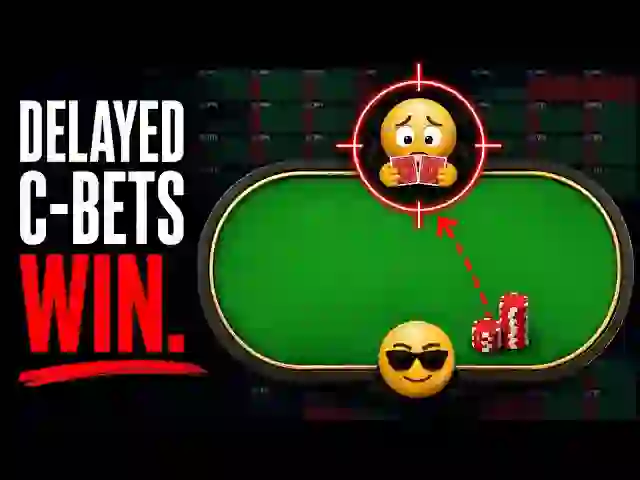
Turn Single-Race Spot: The Overlooked Goldmine and a Soft-Exploit Strategy
Why the button-vs-big-blind single race on the turn is still a profitable, under-exploited node, and how a soft-exploit strategy (28.5%→~47% betting frequency) captures the edge while staying under the radar.
Turn Single-Race Spot: The Overlooked Goldmine and a Soft-Exploit Strategy
Why the button-vs-big-blind single race on the turn is still a profitable, under-exploited node, and how a soft-exploit strategy (28.5%→~47% betting frequency) captures the edge while staying under the radar.
OOP Medium Hands: Why GTO Tells You to Bet, Not Check
Most players default to checking medium-strength hands out of position—but GTO solvers say bet. Learn the exact spots where checking costs you EV, how to size correctly, and how to exploit opponents stuck in the checking habit.
OOP Medium Hands: Why GTO Tells You to Bet, Not Check
Most players default to checking medium-strength hands out of position—but GTO solvers say bet. Learn the exact spots where checking costs you EV, how to size correctly, and how to exploit opponents stuck in the checking habit.

Pro Poker's Three Pillars: Study, Volume, and Mindset
Why a sustainable professional poker career rests on three disciplines—rigorous study, disciplined volume, and a resilient mindset—and how to build each one.
Pro Poker's Three Pillars: Study, Volume, and Mindset
Why a sustainable professional poker career rests on three disciplines—rigorous study, disciplined volume, and a resilient mindset—and how to build each one.
Polarized vs Merged Bet Sizing: When to Use Each Postflop
Nut advantage calls for large polarized bets (75%+); range advantage calls for small merged bets (25–50%). Master the decision logic, MDF, bluff-to-value ratios, and board-by-board examples.
Polarized vs Merged Bet Sizing: When to Use Each Postflop
Nut advantage calls for large polarized bets (75%+); range advantage calls for small merged bets (25–50%). Master the decision logic, MDF, bluff-to-value ratios, and board-by-board examples.
Check-Raising as the Preflop Caller: Complete OOP Strategy Guide
Master OOP check-raising: identify the right board textures (low/connected vs A-high), select value hands and semi-bluffs, and apply the correct 2.5–3x sizing and frequency.
Check-Raising as the Preflop Caller: Complete OOP Strategy Guide
Master OOP check-raising: identify the right board textures (low/connected vs A-high), select value hands and semi-bluffs, and apply the correct 2.5–3x sizing and frequency.
Turn Barreling: When to Fire the Second Barrel
C-betting the flop is easy; the turn is where edges are won and lost. Learn which turn cards favor your range, which barreling bluffs to pick, and when to slow down.
Turn Barreling: When to Fire the Second Barrel
C-betting the flop is easy; the turn is where edges are won and lost. Learn which turn cards favor your range, which barreling bluffs to pick, and when to slow down.
Postflop Range Construction and Bet Sizing
How to systematize which hands bet at which size — polarized vs merged sizing, and range construction on later streets.
Postflop Range Construction and Bet Sizing
How to systematize which hands bet at which size — polarized vs merged sizing, and range construction on later streets.
Flop C-Betting by Board Texture
When to c-bet and when to check, organized by board texture (dry vs wet) and range advantage.
Flop C-Betting by Board Texture
When to c-bet and when to check, organized by board texture (dry vs wet) and range advantage.